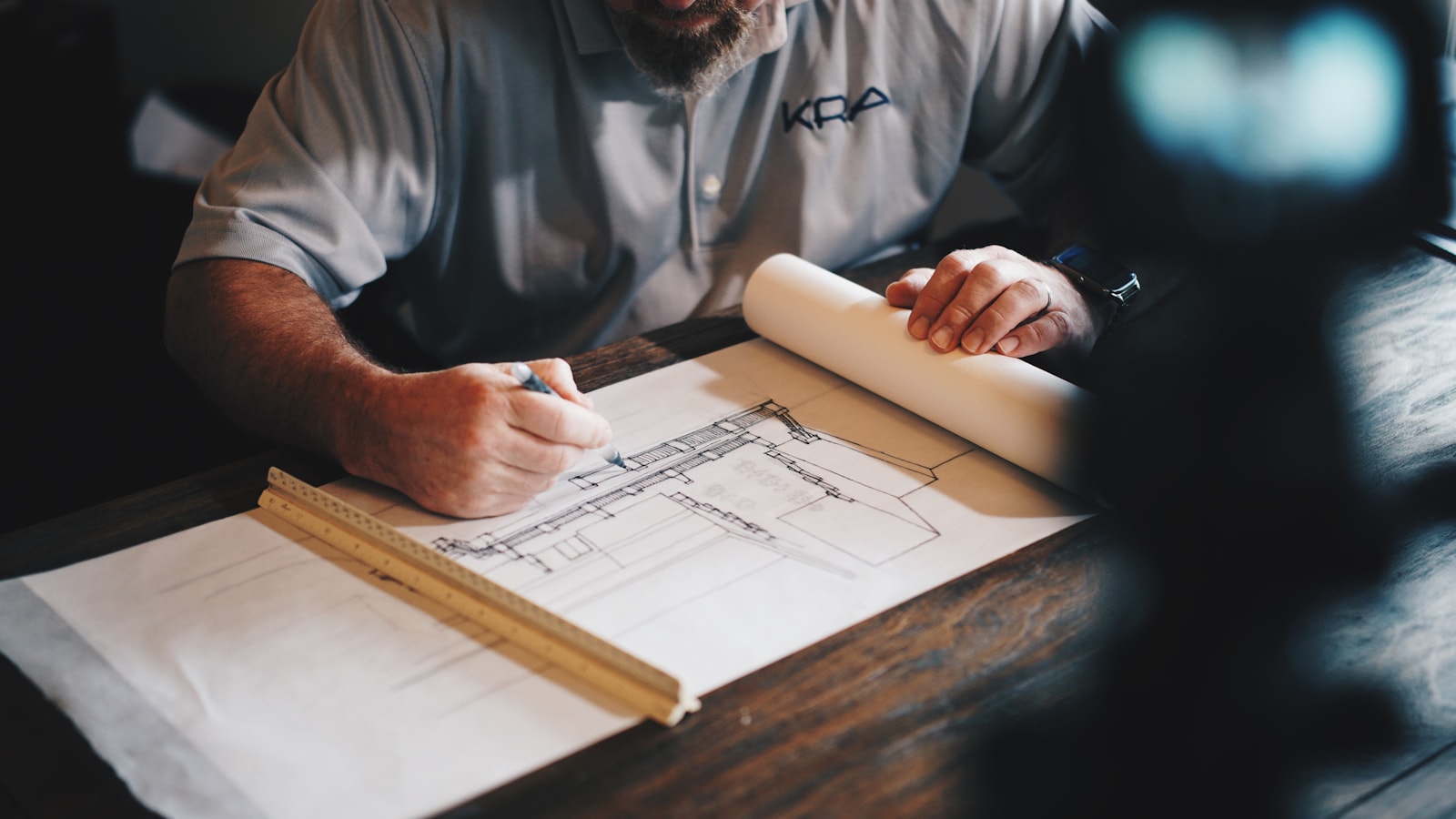
REAL PROJECT CHECK Concrete project check
Concrete is one of the worst materials to run short on mid-project. The estimate should be checked against bag yield, form size, base prep, and whether the job is small enough for hand mixing. If the pour affects structure or drainage, do not treat a calculator as design advice.
- Confirm thickness before buying; small thickness changes add many bags.
- Use the yield printed on the exact bag you plan to buy.
- For large pours, compare ready-mix delivery before committing to dozens of bags.
GRAB LIST Things you may need
A quick list for the aisle. You may already own half of it.
- Concrete mix
- Mixing tub or mixer
- Trowel
- Float
- Gloves
- Safety glasses
- Level
- Screed board
- Water source
- Form boards
THE MATH How the estimate works
The calculator uses your measurements plus ordinary unit conversions. Editable fields handle the parts that change by product: waste, coverage, bag yield, box coverage, or material density.
The buy recommendation rounds up because stores do not sell half gallons, partial boxes, or a fraction of a bag.
- Length, width, and thickness create slab volume.
- Bag yield converts cubic feet into a whole bag count.
- Overage covers uneven excavation, spills, and small measuring errors.
- Price per bag estimates the material cost before delivery or tool rental.
EXAMPLE Example: 4 ft by 6 ft pad at 4 inches thick
A 4 ft by 6 ft pad is 24 sq ft. Four inches is 0.333 ft, so the volume is about 8 cubic feet. If an 80 lb bag yields 0.6 cubic feet, 8 divided by 0.6 equals 13.34 bags. With a small overage, the shopping answer is usually 15 bags.
DON'T SKIP Beginner notes
- Use the actual yield printed on the concrete bag.
- Add a small overage so you do not run short during the pour.
- Thickness, base prep, reinforcement, and curing matter for real-world performance.
- Do not guess on structural or code-sensitive concrete work.
AVOID THIS Common mistakes
- Entering thickness in feet instead of inches.
- Ignoring the bag yield printed on the product.
- Starting a pour with exactly the calculated number of bags and no spare.
- Using this estimate as structural advice for load-bearing work.
NEXT Before you buy
- Confirm the required thickness for the actual use of the pad.
- Plan form boards, base gravel, reinforcement, and curing before buying bags.
- For large pours, price ready-mix delivery against the labor of mixing many bags.
LIMITS Planning estimate only
Actual material needs change with product, installation method, surface condition, layout, waste, and local requirements. For structural, permit, drainage, electrical, plumbing, or load-bearing work, get qualified local guidance.