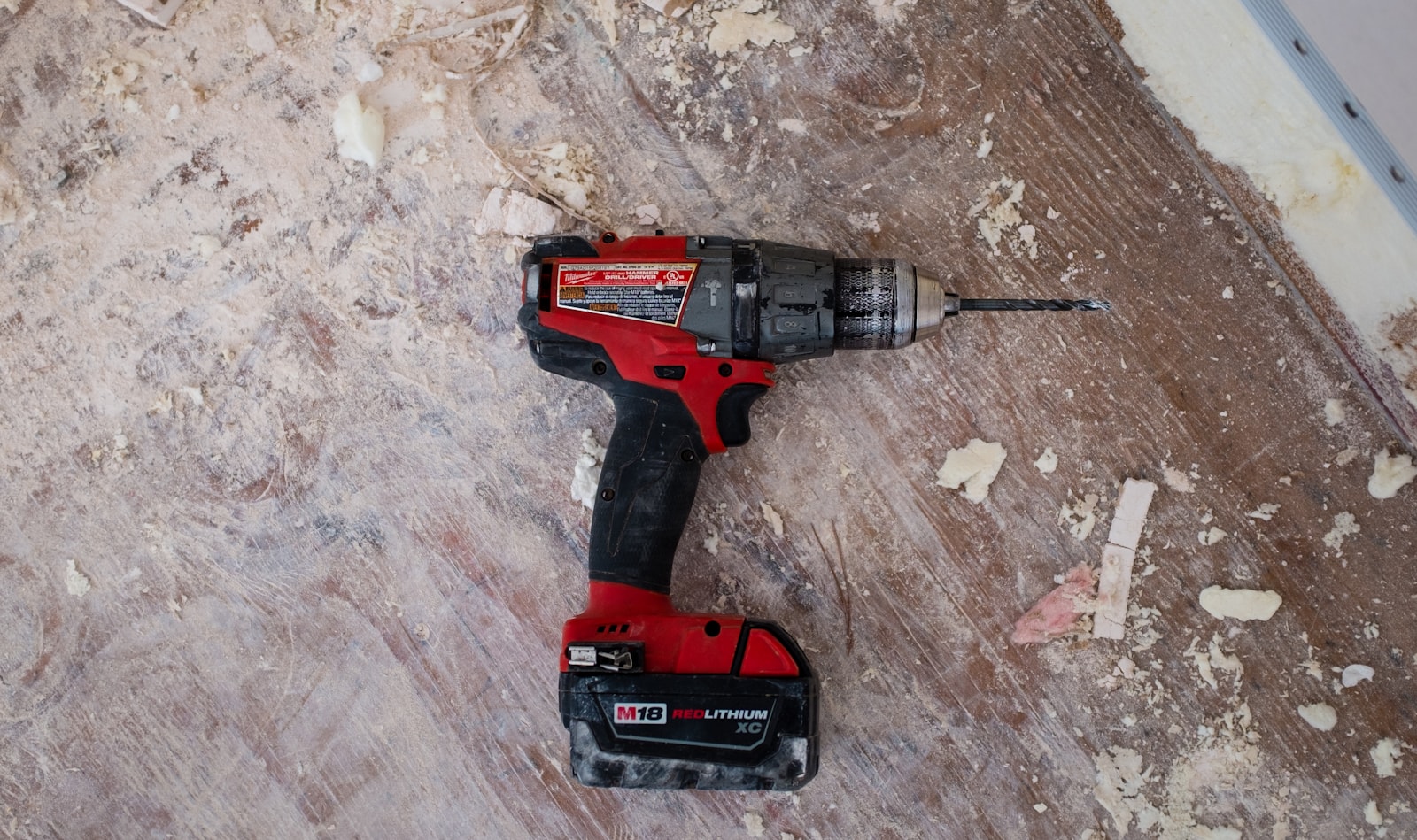
REAL PROJECT CHECK Drywall project check
Drywall estimates fail when the sheet layout is ignored. A wall may need a certain square footage on paper, but seams still need to land on framing and the sheets still need to fit through the door. Use the result as a buy estimate, then sanity-check the layout.
- Confirm sheet size, wall height, and stud spacing before buying.
- Do not subtract every tiny opening if it creates unusable scraps.
- Check whether the room needs moisture-resistant, fire-rated, or standard drywall.
GRAB LIST Things you may need
A quick list for the aisle. You may already own half of it.
- Drywall sheets
- Drywall screws
- Joint compound
- Tape
- Utility knife
- T-square
- Mud pan
- Sanding sponge
- Dust mask
THE MATH How the estimate works
The calculator uses your measurements plus ordinary unit conversions. Editable fields handle the parts that change by product: waste, coverage, bag yield, box coverage, or material density.
The buy recommendation rounds up because stores do not sell half gallons, partial boxes, or a fraction of a bag.
- Wall length and height estimate total wall area.
- Large openings can be subtracted when measured.
- Sheet size converts area into a whole sheet count.
- Waste covers cutoffs, mistakes, and damaged corners.
EXAMPLE Example: one 12 ft by 8 ft wall
A 12 ft by 8 ft wall is 96 sq ft. A 4 ft by 8 ft sheet covers 32 sq ft, so the wall needs 3 sheets before waste. If the wall has a door opening, you may subtract area, but you still need sheets arranged so seams land correctly. For a small wall, the layout often matters as much as the pure square footage.
DON'T SKIP Beginner notes
- Use the sheet size you actually plan to buy.
- Subtract large openings, but keep a waste buffer because cutouts still create scrap.
- Ceilings, fire-rated walls, bathrooms, and garages may need different drywall.
- Plan how sheets will land on studs before buying.
AVOID THIS Common mistakes
- Counting square footage but not checking stud layout.
- Subtracting every tiny opening and ending up short on usable pieces.
- Using regular drywall where moisture-resistant or fire-rated board is required.
- Underestimating joint compound, tape, corner bead, screws, and sanding supplies.
NEXT Before you buy
- Measure every wall separately and mark doors, windows, and ceiling height.
- Choose 4x8, 4x10, or 4x12 sheets based on transport and seam layout.
- Check local requirements for garages, utility rooms, bathrooms, and shared walls.
LIMITS Planning estimate only
Actual material needs change with product, installation method, surface condition, layout, waste, and local requirements. For structural, permit, drainage, electrical, plumbing, or load-bearing work, get qualified local guidance.